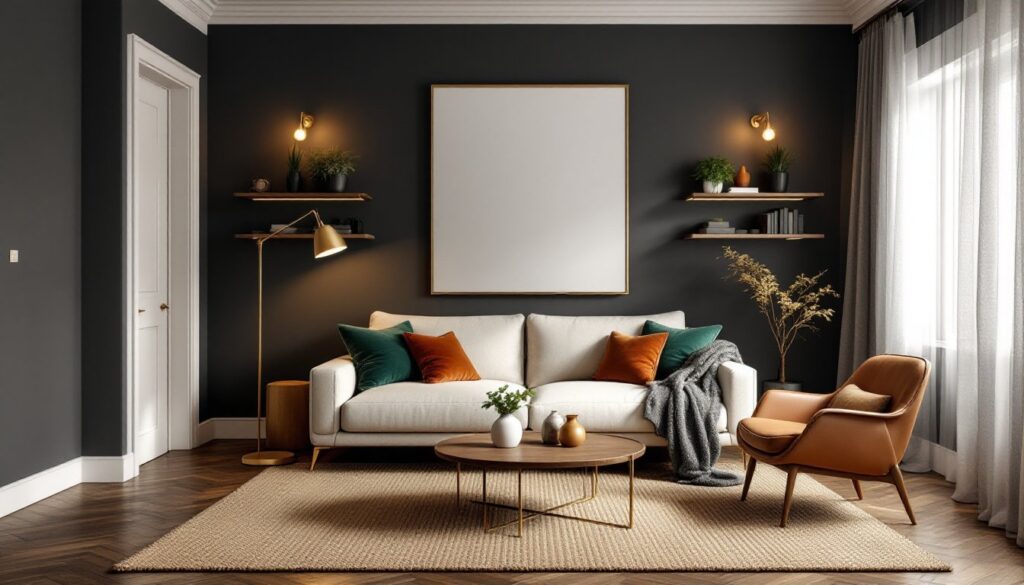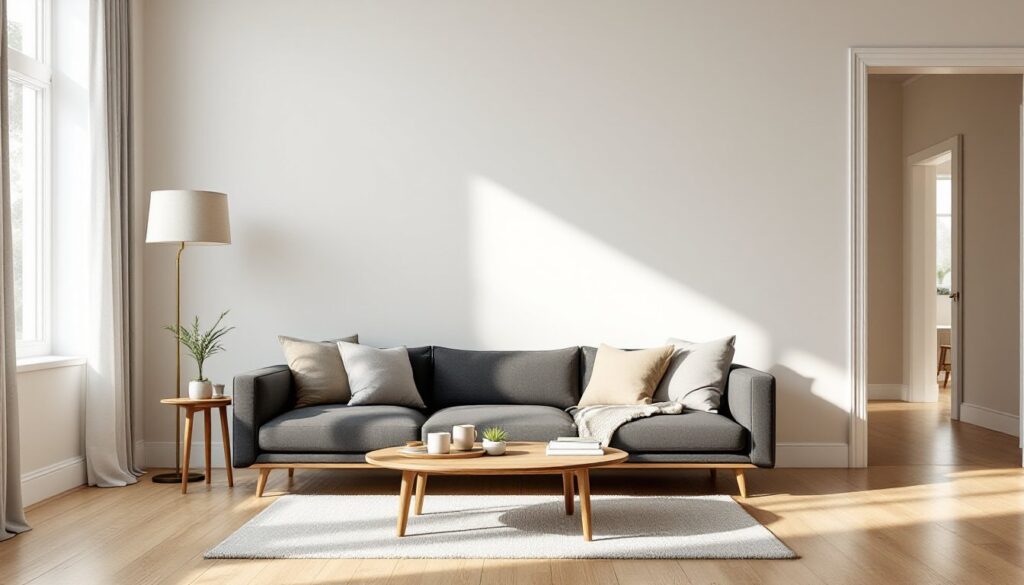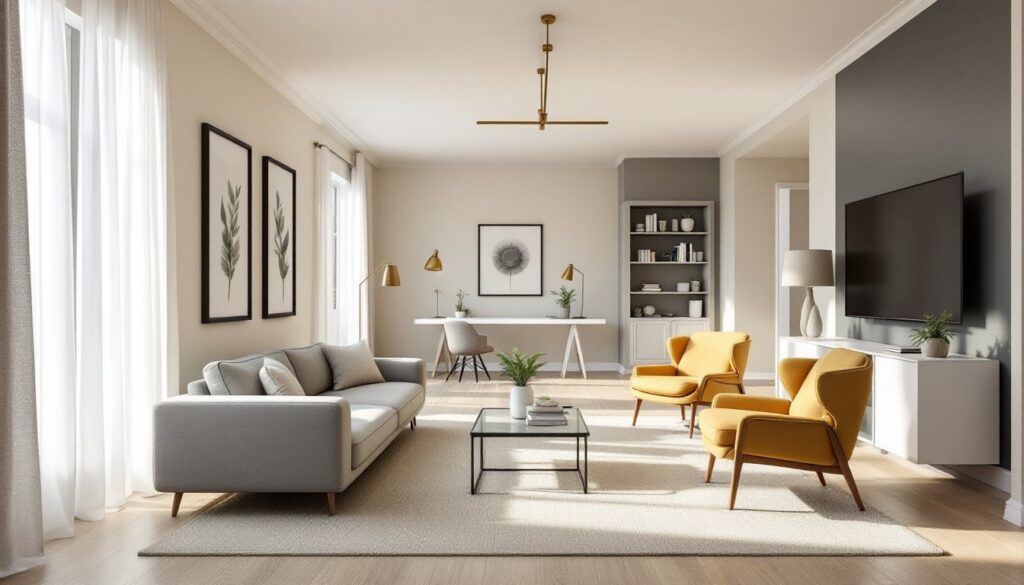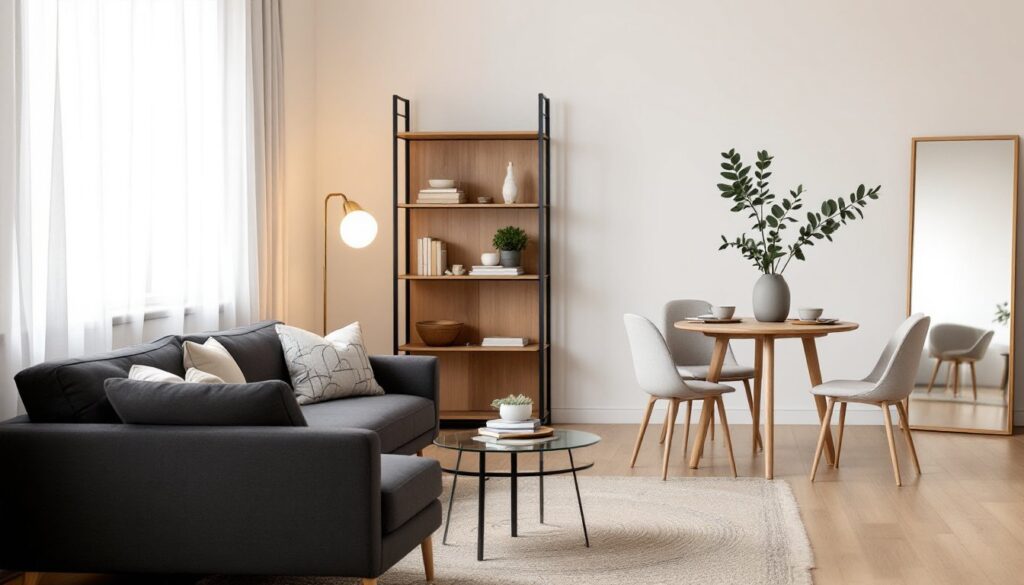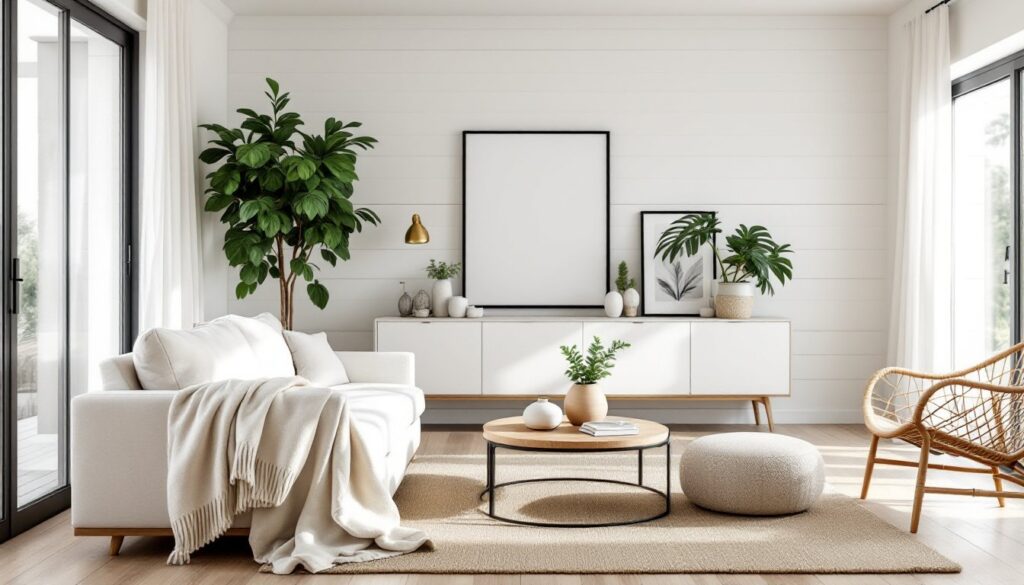

White living rooms offer a versatile canvas that suits everything from minimalist aesthetics to layered, eclectic styles. They bounce natural light around a space, make small rooms feel larger, and provide a neutral backdrop that adapts to changing tastes without requiring a full renovation. But a successful white living room isn’t just about slapping a coat of paint on the walls. It demands thoughtful choices in shade, texture, and accent elements to avoid the sterile, cold feel that gives all-white spaces a bad reputation. This guide walks through practical design strategies, from selecting the right white paint to maintaining crisp surfaces, so homeowners can create a bright, livable room that feels intentional, not washed out.
Table of Contents
ToggleKey Takeaways
- White living room ideas succeed when you select the right paint shade based on room orientation—cool whites for south-facing spaces and warm whites for north-facing rooms that receive indirect light.
- Layering textures through textiles, wall treatments, and natural materials like wood and rattan prevents white living rooms from feeling flat or sterile while adding depth and visual interest.
- Natural elements such as hardwood flooring, indoor plants, and stone accents provide warmth and anchor a white palette without introducing heavy colors that compromise the room’s brightness.
- Use strategic accent colors sparingly—choose just one or two muted tones like terracotta or sage, and repeat them across pillows, throws, or artwork to maintain cohesion.
- White surfaces require consistent maintenance with eggshell or satin-finish paint for easier cleaning and performance-fabric upholstery that resists stains better than untreated natural fibers.
- A successful white living room balances a light-reflecting backdrop with intentional design choices that make the space feel lived-in, adaptive to changing tastes, and timeless for resale appeal.
Why White Living Rooms Never Go Out of Style
White living rooms endure because they solve real design problems. Light-colored walls reflect both natural and artificial light, making spaces feel larger and reducing the need for additional fixtures. In older homes with limited window area, white paint can compensate for low lumens and improve visibility without electrical upgrades.
From a resale perspective, white interiors appeal to a broader range of buyers. They don’t carry the risk of polarizing color choices, and they photograph well for listings. Functionally, white living room decor acts as a foundation layer, homeowners can swap throw pillows, rugs, and artwork seasonally without clashing with wall color.
White also suits a range of architectural styles. A modern white living room with clean lines and minimal trim works in new construction, while the same palette softens ornate crown molding and wainscoting in Victorian-era homes. The adaptability is hard to match with saturated hues.
Choosing the Perfect White Paint Shade
Not all whites are equal. Paint manufacturers list dozens of white shades, each with different undertones that shift depending on lighting conditions. Cool whites (with blue or gray undertones) suit rooms with abundant south-facing natural light, where warmth is already present. Warm whites (with cream, yellow, or pink undertones) work better in north-facing rooms that receive indirect light and can feel stark with cooler tones.
Test paint samples on at least two walls, one receiving direct sunlight and one in shadow. Observe them at different times of day. Morning light skews cooler: afternoon and evening light trends warmer. A white that looks crisp at noon might appear dingy or yellow under incandescent bulbs at night.
Trim and ceiling color matters. Many designers use the same white throughout for a seamless look, but others prefer a slightly brighter white (higher LRV, Light Reflectance Value) on trim to create subtle definition. Standard ceiling paint has a flat finish to minimize glare, but some homeowners opt for a satin sheen in high-moisture areas to resist mold.
Coverage typically runs 350–400 square feet per gallon for quality paint. Factor in two coats minimum when painting over darker colors. Primer is non-negotiable if transitioning from bold hues, it blocks bleed-through and improves topcoat adhesion.
Layering Textures to Add Depth and Interest
An all-white room without textural contrast reads flat. Successful white living room decor layers materials with different tactile qualities to create visual and physical depth.
Textiles are the easiest starting point. Linen curtains diffuse light differently than cotton canvas. A jute or sisal rug introduces a coarse, organic texture that contrasts with smooth leather or velvet upholstery. Wool throw blankets, chunky knit pillows, and raw silk cushions all catch light differently, preventing the room from feeling one-dimensional.
Wall treatments add another layer. Shiplap, board-and-batten, or tongue-and-groove paneling creates shadow lines that shift throughout the day. Installation is straightforward: furring strips or direct wall mounting with a finish nailer and construction adhesive. If going the DIY route, a miter saw ensures clean angle cuts at corners. Panels are typically 1×6 or 1×8 nominal pine (actual dimensions 3/4″ × 5.5″ or 7.25″), primed and painted before or after installation.
Furniture materials matter. A white upholstered sofa feels entirely different depending on whether it’s linen, performance fabric, or leather. Pair it with a raw wood coffee table (unsealed oak or reclaimed pine) or a concrete-top piece for contrast. Metal accents, brushed nickel, matte black, or aged brass, add industrial or transitional notes without introducing color.
Consider three-dimensional elements: woven baskets, ceramic vases with irregular glazes, or plaster sculptures. These items break up flat surfaces and introduce handmade imperfection that keeps a white room from feeling too controlled. Designers often reference modern design ideas for examples of how texture elevates minimalist spaces.
Incorporating Natural Elements and Warmth
White living rooms risk feeling cold without organic materials to offset the clinical tone. Natural wood is the most effective antidote. Exposed ceiling beams, hardwood flooring, or live-edge shelving introduce grain patterns and warm brown tones that anchor the space.
If installing new hardwood flooring, consider species and finish. White oak has a neutral undertone that complements white walls without clashing. Walnut or hickory adds more contrast. Finish sheen affects the vibe, matte or satin finishes (25–40 gloss units) hide scuffs better than high-gloss and feel more contemporary. Flooring typically requires 3/4″ solid or engineered planks: allow material to acclimate in the room for 48–72 hours before installation to prevent gapping or cupping.
Indoor plants soften hard edges and improve air quality. Large-leaf varieties like fiddle-leaf fig, monstera, or bird of paradise make architectural statements. Smaller plants, pothos, snake plants, or succulents, cluster on shelves or side tables. Ensure adequate drainage: water damage on white furniture or flooring is obvious and stubborn.
Natural fiber elements, rattan chairs, seagrass ottomans, wicker baskets, add warmth without heavy visual weight. These materials age gracefully and develop patina, which keeps a white room from looking too pristine. Stone accents also work: a marble side table, travertine lamp base, or slate coasters introduce cool-toned natural texture that complements rather than warms.
Lighting plays a dual role. Warm-white LED bulbs (2700–3000K color temperature) mimic incandescent glow and prevent the space from feeling clinical. Layer ambient, task, and accent lighting: recessed cans for general illumination, swing-arm sconces for reading, and picture lights or track lighting to highlight art or architectural features.
Strategic Accent Colors and Décor
A monochrome white living room benefits from intentional pops of color, but restraint is key. Too many competing hues fracture the cohesive feel.
Black accents provide the sharpest contrast. Matte black window frames (a growing trend in new construction and renovations), black metal light fixtures, or a single charcoal accent wall anchor the room. In painting trim or frames, use semi-gloss or satin enamel for durability and easy cleaning, critical in high-traffic areas.
Muted earth tones, terracotta, ochre, sage, or clay, add warmth without overwhelming. A single terracotta throw blanket or olive-green pillow set is often enough. Avoid scattering ten different accent colors: pick one or two and repeat them in varying scales.
Metallic finishes catch light and add sophistication. Brushed brass cabinet hardware, aged copper planters, or polished nickel table lamps introduce subtle color variation. Mixing metals is acceptable if finishes share a similar warmth (all cool or all warm tones).
Artwork and photography offer controlled color injection. Large-scale pieces with bold color fields make statements: black-and-white photography keeps the palette restrained. When hanging art, use picture-hanging hooks rated for weight (drywall anchors for anything over 10 lbs). Space gallery walls with 2–3 inches between frames for cohesion.
Textile patterns also work. Geometric prints, stripes, or subtle florals in pillows or curtains add visual interest without introducing solid color blocks. Keep pattern density low, one or two patterned items per seating area. Inspiration for balancing white spaces with functional decor can guide decisions on placement and scale.
Practical Tips for Maintaining a White Living Room
White surfaces show dirt, scuffs, and wear faster than darker tones. Maintenance isn’t difficult, but it requires consistency.
Paint sheen affects cleanability. Eggshell or satin finishes (10–25 gloss units) tolerate gentle scrubbing better than flat paint, which can burnish or streak. Reserve flat finishes for ceilings or low-traffic areas. Keep leftover paint for touch-ups, store in a cool, dry location, and note the date mixed on the lid.
Upholstery fabrics labeled performance or solution-dyed resist stains and clean more easily than untreated linen or cotton. If choosing natural fibers, apply a fabric protector spray (like those with fluoropolymer treatments) before use. Vacuum upholstery weekly with a brush attachment to prevent dirt from embedding.
Flooring care depends on material. Sealed hardwood tolerates damp-mopping with pH-neutral cleaners, avoid oil soaps that leave residue. For painted wood floors, recoat high-traffic areas every 2–3 years with a compatible topcoat. Tile or vinyl requires less fuss but grout lines can discolor: seal grout annually and use a stiff-bristle brush with oxygen bleach cleaner for deep cleaning.
Slipcovers offer a practical solution for high-use furniture. Washable cotton or linen slipcovers can be machine-laundered, extending the life of upholstered pieces. Custom slipcovers run $200–$600 depending on furniture size and fabric, but ready-made options are available for standard sofa dimensions.
Spot-clean immediately. Keep a kit with microfiber cloths, mild dish soap, white vinegar, and baking soda. Blot spills rather than rubbing to avoid spreading stains. For tougher marks on walls, a Magic Eraser (melamine foam) works but can dull paint sheen, test in an inconspicuous area first. Exploring interior design inspiration can also reveal low-maintenance material choices that balance aesthetics with durability.
Conclusion
White living rooms deliver lasting versatility when built on thoughtful material choices and realistic maintenance plans. The right paint shade, layered textures, and selective accents transform a blank canvas into a livable, light-filled space. With consistent upkeep and quality materials, a white living room stays fresh for years without requiring a full redesign.