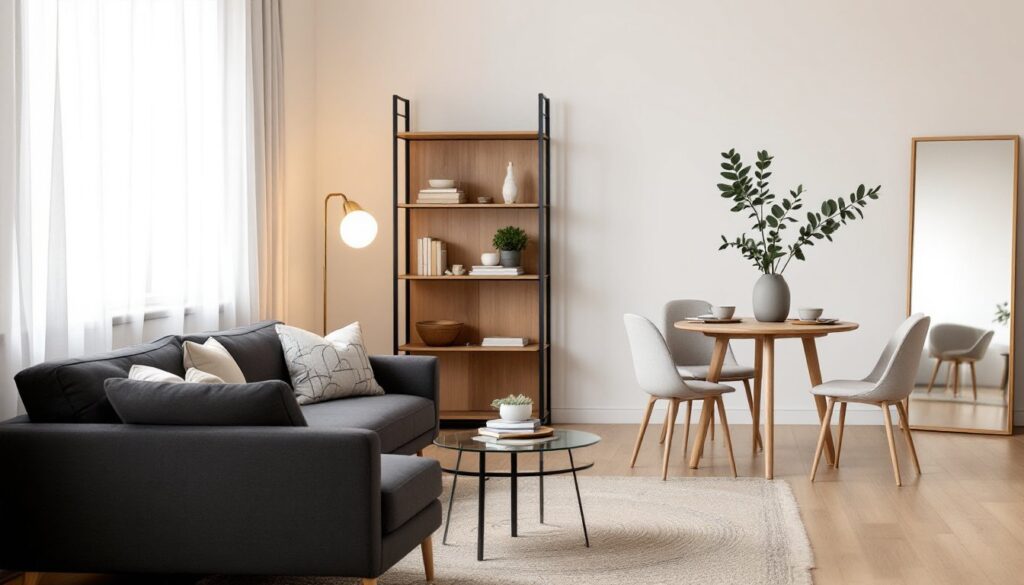

Combining a living room and dining area in one space doesn’t mean compromising on function or style, it’s actually a design opportunity in disguise. Whether you’re dealing with a studio apartment, a small condo, or an open-plan home that just needs better zoning, a thoughtful layout can make the difference between cramped chaos and a space that flows. The trick isn’t to cram more in: it’s to create distinct zones that work together without boxing you in. With strategic furniture placement, smart material choices, and a few visual tricks, even a very small living and dining room can feel intentional, organized, and surprisingly spacious.
Table of Contents
ToggleKey Takeaways
- Strategic furniture placement and area rugs can define distinct living and dining zones without walls, making small living room dining room combos feel organized and spacious.
- Use multipurpose furniture like drop-leaf tables, storage ottomans, and armless chairs to maximize functionality and minimize visual bulk in compact spaces.
- Light paint colors, mirrors, vertical storage, and leggy furniture create an illusion of depth and airiness, transforming small living room dining room layouts into inviting areas.
- Proven layout configurations—L-shaped, linear, corner nooks, and floating clusters—provide flexible solutions for different room shapes and traffic patterns.
- Layer your lighting with table lamps and dimmable LED bulbs rather than relying on harsh overhead fixtures to enhance mood and functionality across zones.
- Plan your layout on paper first, use painter’s tape to mock up furniture placement, and maintain at least 30–36 inches of walking clearance to avoid a cramped feel.
Why Open-Concept Combos Are Perfect for Modern Homes
Open-concept living isn’t just a trend, it’s a practical response to how people actually use their homes. Knocking down walls (or simply having fewer of them) improves natural light flow, creates sightlines that make small spaces feel larger, and lets you keep an eye on kids or entertain while prepping food. For smaller footprints, combining living and dining functions means you’re not wasting square footage on a formal dining room that sits empty most of the year.
From a construction standpoint, open plans also simplify HVAC and electrical runs. Fewer interior walls mean less framing material, fewer corners to tape and mud, and more flexibility in how you route ductwork or add outlets. Just remember: if you’re tearing down a wall to create this combo, verify it’s not load-bearing. Even non-structural walls may house plumbing or wiring that’ll need rerouting, often requiring permits and a licensed electrician or plumber.
Modern layouts favor multipurpose zones over single-use rooms. Instead of a living room that’s just for TV and a dining room just for meals, a well-designed combo supports everything from remote work to game nights to holiday dinners, all without feeling like you’re repurposing a hallway.
Define Zones Without Walls: Creative Space Division Strategies
Visual separation is key when you don’t have the luxury, or desire, of permanent walls. The goal is to signal function without blocking light or breaking up the room into awkward fragments.
Use Area Rugs to Anchor Each Space
Area rugs are one of the cheapest and most effective dividers you can use. Choose a rug for the living zone (typically 5×8 feet or 8×10 feet depending on furniture scale) and a separate one for the dining table. The rugs should coordinate in color or pattern family but don’t need to match exactly, contrasting textures can actually help reinforce the boundary.
Place the living room rug so the front legs of your sofa and chairs rest on it: in the dining area, the rug should extend at least 24 inches beyond the table edge on all sides so chairs don’t catch when people pull them out. This clearance is critical, undersized dining rugs are a common rookie mistake that makes the space feel pinched.
If you’re on a budget, natural fiber rugs (jute, sisal) are durable and affordable, though they can be scratchy underfoot. Polypropylene or nylon blends hold up better to spills and are easier to vacuum. Avoid high-pile shag in dining areas: crumbs and food particles will disappear into the fibers and make cleanup a nightmare.
Strategic Furniture Placement as Room Dividers
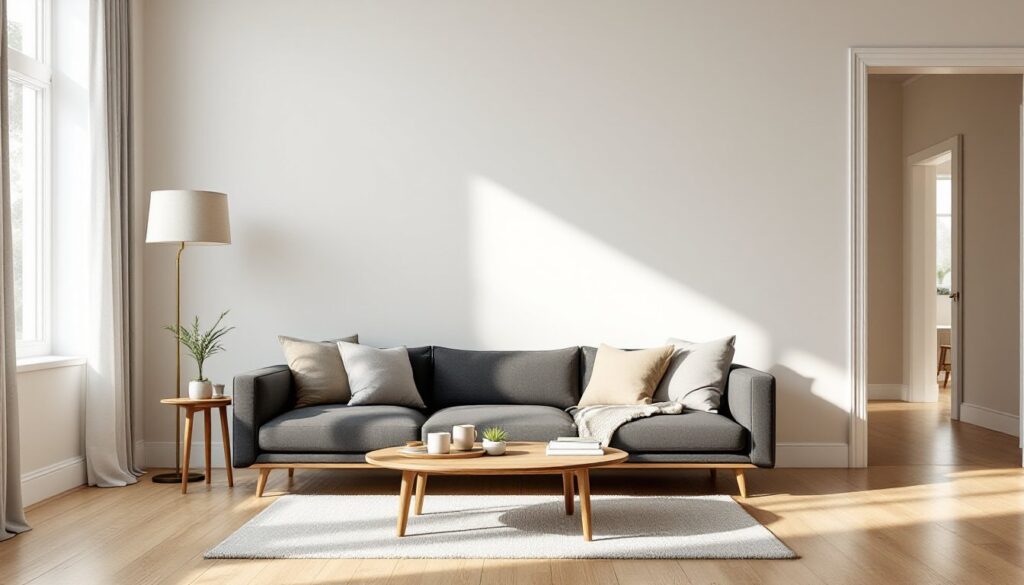
You don’t need a wall to create a boundary, sometimes a sofa back is enough. Float your couch a few feet off the wall so it faces the TV or a focal point, and position the dining table behind it. This “back-to-back” layout naturally separates the two functions without requiring additional square footage.
Bookcases, open shelving units, or even a narrow console table can serve as low-profile dividers. A 3-shelf bookcase (around 36 to 48 inches tall) won’t block sightlines but still provides a psychological barrier and bonus storage. If you go this route, anchor tall units to the wall with L-brackets or furniture straps, tipping hazards are real, especially in homes with kids or pets.
Another trick: use the dining table itself as a zoning tool. In very small living dining room ideas, a round pedestal table (42 to 48 inches diameter) takes up less visual space than a rectangular one and eliminates sharp corners. Position it near a window or along one wall to leave the center of the room open for traffic flow.
Smart Furniture Choices That Do Double Duty
In a combo layout, every piece should earn its keep. Look for furniture that serves multiple roles or folds away when not in use.
Drop-leaf tables or extendable dining tables give you flexibility: keep them compact for daily use, then expand when you’re hosting. A table that goes from 36 inches to 60 inches can seat four for breakfast and eight for dinner without permanently hogging floor space.
Storage ottomans double as coffee tables and extra seating. Choose one with a lift-top for stashing throw blankets, remotes, or board games. If you’re building one yourself, a simple plywood box with piano hinge lid and upholstered foam top does the trick, just make sure the plywood is at least ½ inch thick to support weight.
Consider a sofa with a built-in console table behind it, or add a narrow sofa table (around 10 to 12 inches deep) to create a landing spot for mail, keys, or a table lamp without eating into walking space. Wall-mounted fold-down desks can also serve as dining surfaces in tight spaces, then tuck away when meals are done.
Skip bulky armchairs in favor of armless accent chairs or benches that slide under the dining table when not needed. Every inch counts, and reducing visual bulk helps the room breathe.
Layout Configurations That Actually Work in Small Spaces
Not all layouts fit all footprints. Here are a few proven configurations to adapt based on your room’s shape and entry points.
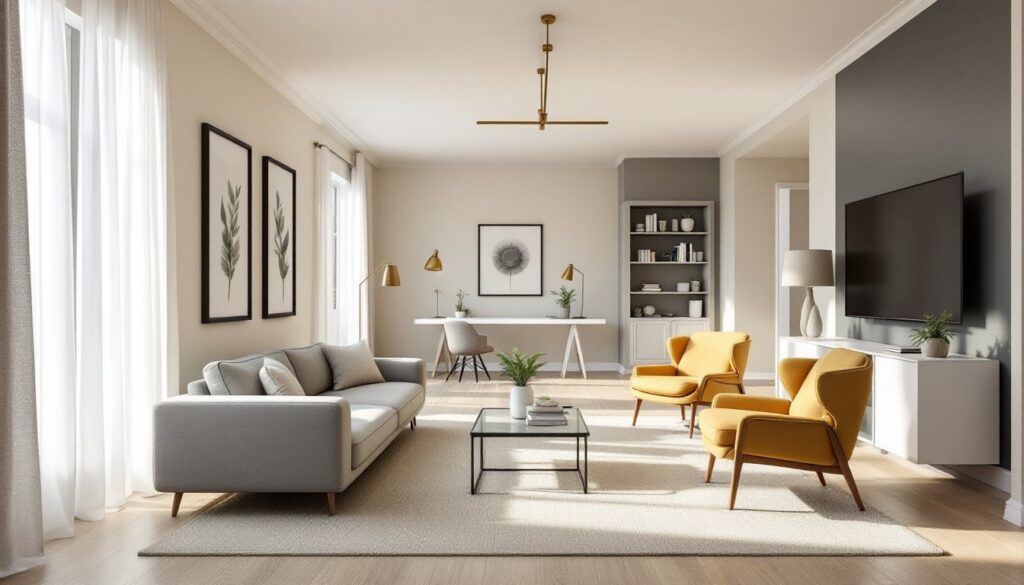
L-Shape Layout: Position the sofa along one wall facing the TV, and place the dining table perpendicular along an adjacent wall. This works well in square or near-square rooms and keeps traffic paths clear through the center.
Linear Layout: If you have a long, narrow room, line up the living zone on one end and the dining zone on the other, separated by a rug or low bookcase. Keep the sofa against the short wall to avoid making the room feel like a bowling alley.
Corner Dining Nook: Tuck a small round or square table into a corner with a bench on one or two sides. This frees up the main floor for the living area and makes efficient use of awkward corners. A corner banquette is a DIY-friendly project, build a simple 2×4 frame, add a plywood seat base with 3-inch foam, and upholster with durable fabric or vinyl. Attach the frame to wall studs with 3-inch screws for stability.
Floating Furniture Cluster: For open plans with no obvious walls to anchor against, create a “room within a room” by floating all your furniture in the center. Use a large area rug to unify the living pieces, and place the dining set just beyond the rug’s edge. This approach is popular in modern design circles and works especially well if you have consistent flooring throughout.
Always measure your clearances. You need at least 30 inches of walking space around furniture, and 36 to 48 inches is better for high-traffic zones. Use painter’s tape on the floor to mock up furniture footprints before you commit, it’s easier to adjust tape than a heavy couch.
Design Tricks to Make Your Combo Room Feel Larger
Strategic design choices can visually expand a small room, no sledgehammer required.
Paint & Color: Light, cool colors recede: dark, warm colors advance. Painting walls in soft whites, light grays, or pale blues makes the room feel airier. If you want an accent wall, put it on the shortest wall to visually pull it forward and balance proportions. Use the same paint color throughout to avoid chopping up the space, distinct zones come from furniture and rugs, not wall color.
Mirrors: A large mirror opposite a window reflects natural light and creates the illusion of depth. Lean a full-length mirror (around 65 to 70 inches tall) against a wall, or mount one with D-ring hangers into wall studs. Avoid placing mirrors directly across from cluttered areas, they’ll just double the visual noise.
Vertical Lines & Tall Storage: Draw the eye up with floor-to-ceiling shelving or vertical paneling. Tall bookcases (up to 84 inches) create the sense of higher ceilings. If you’re installing floating shelves, use heavy-duty shelf brackets rated for the load and fasten into studs with 2½-inch screws minimum. Drywall anchors work in a pinch, but studs are always better for anything holding more than a few decorative items.
Multi-Level Lighting: Overhead lighting alone flattens a room. Layer in table lamps, floor lamps, and even under-cabinet LED strips if you have built-ins. Dimmable bulbs (look for LED bulbs rated 2700K to 3000K for warm light) let you adjust mood and function. Avoid harsh overhead fixtures that create a single pool of light, you want even illumination across zones.
Transparency & Leggy Furniture: Choose furniture with exposed legs instead of skirted pieces. A sofa on 6-inch tapered legs lets you see the floor beneath, making the room feel less cramped. Glass or acrylic tables, open-backed chairs, and lucite accents all reduce visual weight. It’s the same principle carpenters use when building decks, raising things off the ground creates breathing room.
Scale Appropriately: Oversized sectionals in a small room are like trying to fit a 2×12 joist where a 2×6 belongs. Measure your space and choose furniture that fits the scale. A 72-inch sofa often works better than a sprawling 96-inch one. Similarly, a 48-inch round table beats a 60×36 inch rectangle in tight quarters, fewer corners mean easier circulation.
Finally, declutter ruthlessly. Visual clutter shrinks a room faster than actual square footage. If you’re short on storage, consider building a simple wall-mounted cabinet with ¾-inch plywood, pocket-hole joinery, and concealed hinges. A coat of semi-gloss paint in the same color as your walls makes it disappear, and you gain hidden storage for everything from linens to board games.
Many of these strategies borrow from professional interior design playbooks, but they’re all within reach of a confident DIYer. The key is planning your layout on paper first, measuring twice, and committing to furniture and finishes that serve the space, not just your wish list.