
Ground-fault circuit interrupter outlets don’t just protect electronics, they protect lives. If you’ve ever had a bathroom outlet trip mid-hairdryer or noticed those test/reset buttons on your kitchen receptacles, you’ve encountered a GFCI. Whether you’re upgrading old two-prong outlets, prepping for a home inspection, or bringing a remodel up to code, understanding the cost to install a GFCI outlet helps budget accurately and decide whether to tackle it yourself or call an electrician. This guide breaks down outlet prices, labor fees, and code requirements so homeowners can plan electrical upgrades with confidence.
Table of Contents
ToggleKey Takeaways
- A basic GFCI outlet costs $12 to $25 for 15-amp models, while professional installation adds $50 to $100 per outlet, with total average installation around $210 including parts and labor.
- GFCI outlets are required by the National Electrical Code in bathrooms, kitchens, garages, basements, outdoor areas, and wet locations to protect against electrical shock within milliseconds of detecting current imbalance.
- DIY installation of a GFCI outlet is straightforward for replacing existing outlets and costs only $12 to $50 plus basic tools like a voltage tester ($10–$25), making it a budget-friendly option if local code permits.
- Installation costs for GFCI outlets vary significantly based on accessibility, circuit configuration, box condition, and regional labor rates, with coastal metro areas charging $150–$250 compared to rural areas at $75–$125.
- Weather-resistant (WR) and tamper-resistant (TR) GFCI models cost $15 to $50 depending on features, while combined WR/TR units ($25–$50) protect against moisture and unauthorized use in homes with children.
- Upgrading an older home to current GFCI code requirements during remodels typically adds $300 to $800 to the electrical budget, with permit and inspection fees adding an additional 15–25% to total project costs.
What Is a GFCI Outlet and Why Do You Need One?
A GFCI outlet monitors electrical current flowing through the circuit. If it detects even a slight imbalance, like current leaking through water or a person, it trips the circuit in as little as 1/40th of a second, cutting power before serious shock or electrocution occurs.
Standard outlets deliver 15 or 20 amps without monitoring current flow. GFCIs add a built-in sensor and circuit breaker mechanism, which is why they’re slightly bulkier and feature those distinctive test and reset buttons on the face plate.
Homeowners need GFCIs in any location where water and electricity might meet: bathrooms, kitchens, garages, basements, crawl spaces, and outdoor outlets. The National Electrical Code (NEC) has expanded GFCI requirements over decades, and most jurisdictions now mandate them during remodels, new construction, and even some retrofit scenarios. Installing one isn’t just smart, it’s often the law.
Average Cost of GFCI Outlets by Type
Standard GFCI Outlet Prices
A basic 15-amp GFCI receptacle runs between $12 and $25 at big-box stores and electrical supply houses. These handle most residential circuits and fit standard single-gang boxes. Expect to pay toward the higher end for name-brand models with indicator lights or self-test features that automatically check functionality every few seconds.
20-amp GFCI outlets cost $18 to $35. They’re required on kitchen countertop circuits and in workshops where power tools draw heavier loads. The T-slot neutral blade on a 20-amp receptacle distinguishes it from a 15-amp model.
Color options, ivory, white, light almond, gray, rarely affect price, but specialty finishes like brushed nickel or oil-rubbed bronze can add $10 to $40 to the outlet cost.
Weather-Resistant and Tamper-Resistant Models
Weather-resistant (WR) GFCIs include corrosion-proof internal components and tighter seals against moisture. They’re mandatory for outdoor installations and typically cost $20 to $40. Pair them with an in-use weatherproof cover (another $15 to $30) to meet code when an appliance stays plugged in outdoors.
Tamper-resistant (TR) GFCIs feature spring-loaded shutters that block foreign objects unless equal pressure is applied to both slots simultaneously, critical for homes with young children. Prices range from $15 to $30 for standard 15-amp TR models. Many jurisdictions now require TR outlets in all new residential construction, and the NEC mandates them in areas accessible to children. Combined WR/TR models run $25 to $50, covering both weather and child safety in one unit.
Professional Installation Costs vs. DIY
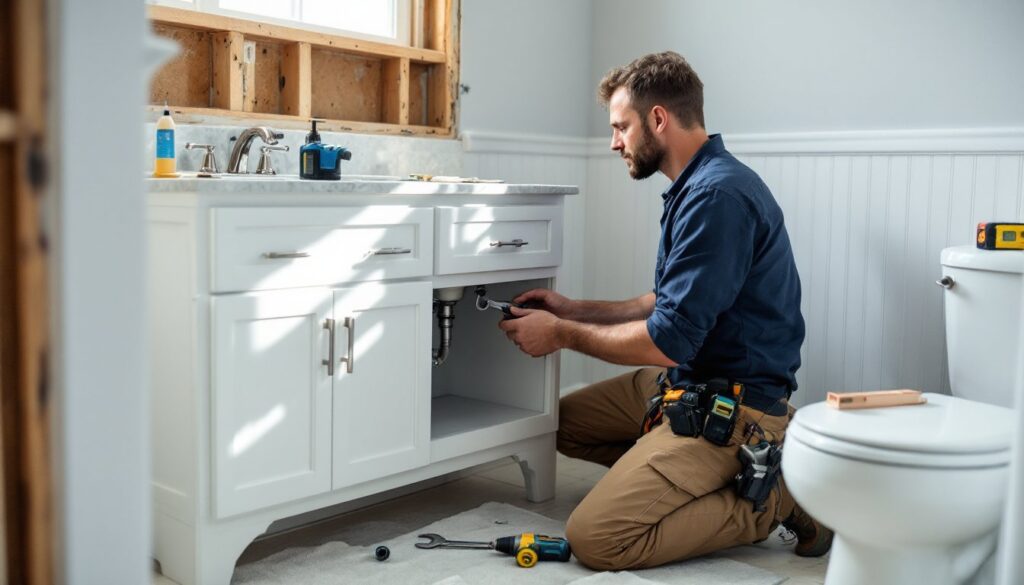
Professional electricians charge $50 to $100 per outlet for GFCI installation, though the labor cost to replace a GFCI outlet can climb to $150 to $250 in high-cost metro areas or when the job involves panel work, circuit upgrades, or fishing wire through finished walls. Most pros bill a service call minimum of $75 to $150 even for a single outlet, so bundling multiple replacements in one visit reduces per-unit cost.
The cost to install a GFCI outlet in a bathroom often sits at the higher end, especially if the electrician needs to add a dedicated 20-amp circuit or upgrade an old two-wire system to three-wire with a ground. According to national data from HomeAdvisor, the average homeowner pays around $210 for a single GFCI outlet installation including parts and labor, though regional variation is significant.
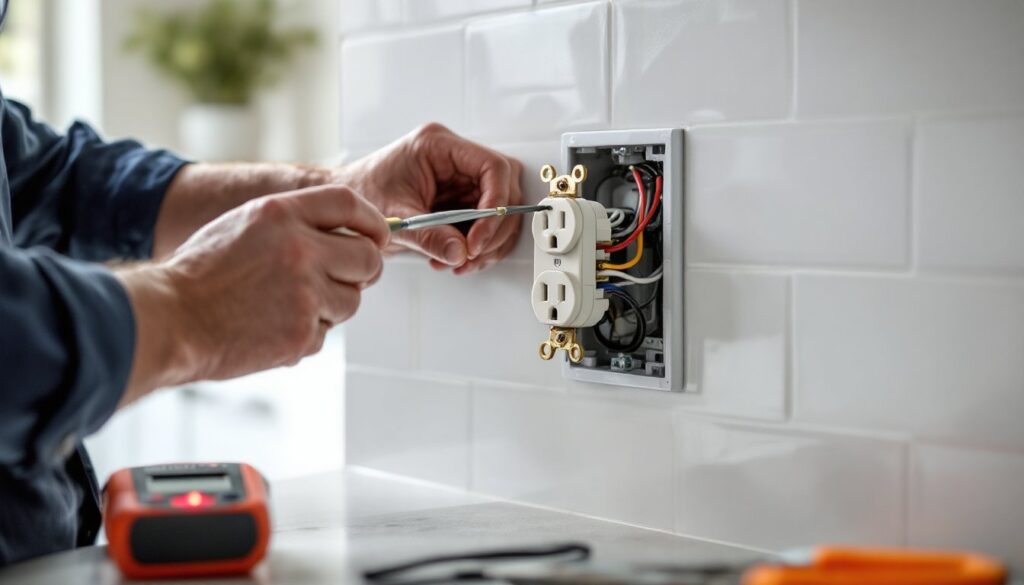
DIY installation drops expenses to the outlet price alone, $12 to $50, plus any necessary tools. You’ll need a voltage tester ($10 to $25), a wire stripper ($8 to $20), and a standard screwdriver set. Needle-nose pliers help with tight wire bends in crowded boxes.
Replacing an existing outlet is straightforward: shut off the breaker, confirm zero voltage with the tester, disconnect the old receptacle, attach the line and load wires to the new GFCI following the labeled terminals, and restore power. Most homeowners finish in 20 to 30 minutes per outlet.
But, adding a new outlet or converting ungrounded circuits requires running wire, cutting into drywall, and potentially upgrading the breaker panel, tasks best left to a licensed electrician. And if local code mandates a permit for electrical work, hiring a pro ensures inspections go smoothly and your homeowner’s insurance stays valid.
Factors That Affect GFCI Outlet Installation Costs
Accessibility plays a major role in how much to install a GFCI outlet. Outlets in open walls or surface-mounted boxes take minutes to swap. Recessed boxes behind tile, in crawl spaces, or on exterior walls require extra labor, and sometimes drywall or siding repair, pushing costs up by $50 to $100 or more.
Circuit configuration matters. If the GFCI protects only itself (single-location protection), installation is simple. But if it protects downstream outlets on the same circuit (multi-location protection), the electrician must identify line versus load conductors, trace circuit paths, and verify proper protection at each receptacle. Troubleshooting old wiring or unlabeled circuits can add 30 minutes to an hour of labor.
Box size and condition also affect difficulty. Old single-gang metal boxes barely accommodate a bulky GFCI. If the box is too shallow or damaged, the electrician may need to replace it with a deeper remodel box, adding $20 to $40 in materials and labor.
Wiring type introduces variables. Modern Romex (NM cable) with ground wires makes installation straightforward. Older two-wire systems without ground can still accept a GFCI (the outlet will function and provide shock protection), but code requires a “No Equipment Ground” label on the cover plate and limits certain downstream configurations.
Permit and inspection fees vary by jurisdiction. Some municipalities require permits for any electrical work: others exempt simple device replacements. Permits typically cost $50 to $150, and inspection delays can extend project timelines. When cost estimates from Angi factor in permitting, total installation expenses can rise 15% to 25%.
Regional labor rates create the widest pricing swings. Rural areas and smaller cities often see installation quotes of $75 to $125 per outlet, while coastal metro markets push $150 to $250 for identical work.
Where GFCI Outlets Are Required by Code
The National Electrical Code has expanded GFCI requirements steadily since the 1970s. As of the 2023 NEC (adopted by most states in 2024–2026), GFCIs are mandatory in:
- Bathrooms: All receptacles, regardless of distance from the sink.
- Kitchens: Countertop outlets within six feet of the sink edge, plus any outlet serving countertop surfaces.
- Garages and accessory buildings: All 15- and 20-amp, 125-volt receptacles.
- Outdoors: All outlets accessible from grade level.
- Crawl spaces and unfinished basements: All receptacles, except those dedicated to sump pumps or other specific equipment (which may instead use a GFCI breaker).
- Laundry areas, utility rooms, and wet bars: Receptacles within six feet of a sink.
- Boat houses, bathtubs, and shower spaces: All receptacles.
Local amendments can be stricter. Some jurisdictions require GFCI protection for all 15- and 20-amp outlets in new residential construction, while others mandate GFCI upgrades when selling a home or finishing a basement.
Building inspectors scrutinize GFCI compliance during rough-in and final inspections. Missing or improperly wired GFCIs are among the most common code violations, and corrections delay occupancy permits. Data from ImproveNet shows that bringing an older home’s outlets up to current GFCI code during a kitchen or bath remodel typically adds $300 to $800 to the electrical budget, depending on the number of circuits involved.
If you’re unsure whether your home meets current standards, a licensed electrician can perform a code compliance audit for $150 to $300, identifying every outlet that needs upgrading and providing a detailed cost breakdown before work begins.