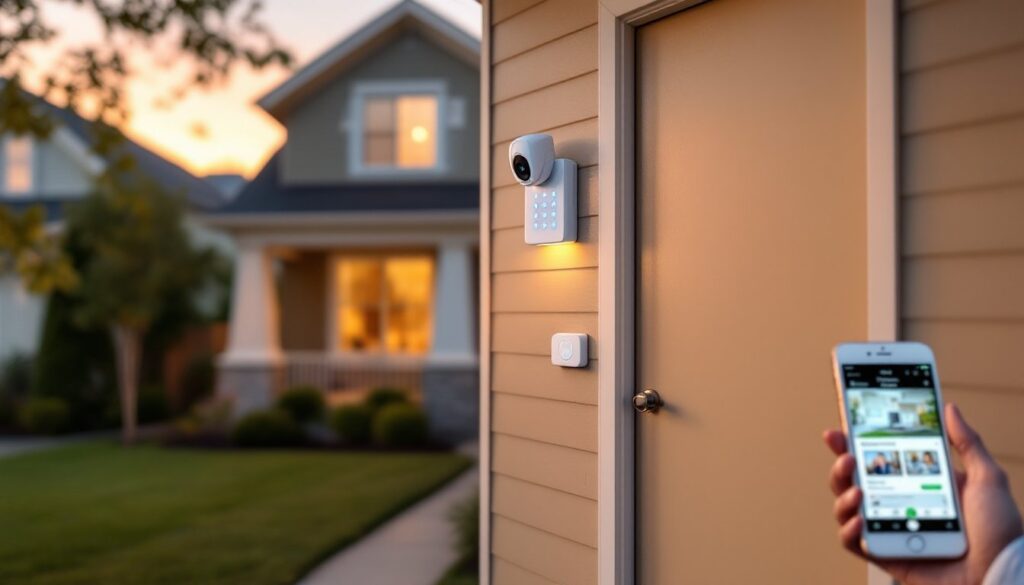

Choosing a home security system isn’t just about buying hardware, it’s about picking a monitoring plan that actually fits how you live. SimpliSafe has carved out a reputation for straightforward DIY installation and flexible subscription options, but their three-tier plan structure confuses plenty of homeowners who just want to know which package makes sense for their budget and security needs. Unlike older systems that lock you into multi-year contracts, SimpliSafe lets you switch plans monthly or skip professional monitoring entirely. This guide breaks down SimpliSafe’s monitoring plans, subscription costs, and package options so you can make an well-informed choice without wading through marketing jargon.
Table of Contents
ToggleKey Takeaways
- SimpliSafe plans separate hardware and monitoring subscriptions with three tiers: free self-monitoring, Standard at $19.99/month with professional dispatch, and Interactive at $29.99/month with unlimited camera recording and smart home integration.
- SimpliSafe monitoring plans operate month-to-month with no contracts, allowing you to switch tiers or cancel anytime without penalty, unlike traditional security companies that lock customers into multi-year agreements.
- Standard monitoring is ideal for occupied homes with regular travel or long work hours, as it provides 24/7 professional response and cellular backup for about the cost of two pizzas monthly.
- The Interactive plan justifies its cost only if you’ve invested in SimpliSafe cameras and want unlimited cloud recording for evidence, smart home features, and live agent verification during alarms.
- Most homeowners should start with free self-monitoring to test the system, then upgrade to Standard when they recognize the value of professional dispatch cutting response time during emergencies.
- SimpliSafe installation costs remain near zero for DIY setup, with optional professional installation at $79-$199 providing good value compared to traditional security companies charging $200-$600 for similar services.
What Are SimpliSafe Plans and How Do They Work?
SimpliSafe separates hardware from monitoring, which is a big shift from traditional security companies. You purchase the equipment upfront, sensors, cameras, keypads, base station, then choose whether to add a monthly monitoring subscription. The hardware cost varies based on which SimpliSafe package you select, ranging from basic five-piece kits around $245 to comprehensive systems over $500. SimpliSafe installation cost is essentially zero if you’re comfortable with peel-and-stick sensors and following setup prompts on your phone.
Once the gear is mounted, you’ve got three paths: manage everything yourself with the free self-monitoring plan, pay for Standard Monitoring at $19.99/month, or upgrade to Interactive Monitoring at $29.99/month. All monitoring plans run month-to-month with no contracts, so you can cancel or change tiers anytime. The base station includes a cellular connection, meaning the system works even if someone cuts your internet line, a detail that matters more than most homeowners realize until they need it.
Simplisafe monitoring handles the gap between an alarm going off and help arriving. Without a paid plan, the system still triggers sirens and sends app alerts, but you’re responsible for calling 911 yourself. With professional monitoring, trained operators contact emergency services on your behalf, which can shave critical minutes off response time when every second counts.
Breaking Down SimpliSafe’s Monitoring Plan Options
Self-Monitoring Plan (Free Option)
The SimpliSafe self-monitoring plan costs nothing beyond your initial hardware purchase. You get unlimited smartphone alerts when sensors trip, live camera viewing through the SimpliSafe app, and manual control of your system from anywhere. This works well for people who are already glued to their phones and comfortable being their own dispatch center.
What you don’t get: 24/7 professional monitoring, cellular backup if your WiFi drops, smart home integrations, or video recording. The system still sounds the siren and alerts your phone, but if you’re in a meeting or asleep, there’s no backup. For a vacation home you check regularly or a workshop where you just want intrusion alerts, the free tier makes sense. For a primary residence with kids or valuables, it’s bare-bones.
Standard Monitoring Plan
At $19.99 per month, the Standard plan adds round-the-clock professional monitoring with cellular and WiFi backup. When an alarm triggers, SimpliSafe’s monitoring center gets the signal within seconds and contacts you. If you don’t respond or confirm it’s a false alarm, they dispatch police, fire, or medical services depending on the sensor type.
This SimpliSafe monitoring cost includes environmental monitoring for smoke, CO, and water leaks, sensors that many homeowners forget about until a flooded basement or carbon monoxide detector starts chirping at 2 a.m. The Standard plan does not include camera recording or smart home features. You’ll get alerts and professional response, but no video evidence if someone breaks in while you’re away. Many independent evaluations, including coverage from professional monitoring plans, note this limitation when comparing SimpliSafe subscription tiers.
Interactive Monitoring Plan
The Interactive plan at $29.99/month builds on Standard by adding unlimited camera recording, smart home integrations (Alexa, Google Assistant), and secret alerts that notify you of activity without triggering the siren. Video storage is cloud-based and unlimited, no local SD cards to manage or storage caps to worry about.
This tier makes sense if you’ve invested in SimpliSafe cameras and want them to do more than just live-view duty. The secret alerts feature is particularly useful for monitoring teens coming home after curfew or checking whether the dog walker actually showed up. You also get live agent access for camera verification during alarms, meaning the monitoring center can review footage in real time to confirm an actual break-in before police arrive, reducing false alarm fees in jurisdictions that charge for repeated dispatches.
How much is SimpliSafe monitoring when you factor in the total cost of SimpliSafe? Add up your hardware package (one-time), monthly subscription, and potential add-ons like extra sensors or cameras. A typical mid-range system with Interactive monitoring runs about $530 upfront plus $360 annually, which lands below most traditional security contracts but still requires budgeting if you’re managing multiple home improvement projects.
Which SimpliSafe Plan Is Best for Your Home?
Match your plan to how you actually use your home, not just what sounds good on paper. If someone is home most days and you’re comfortable managing alerts yourself, the free self-monitoring option handles basic intrusion detection without monthly fees. Think of it like a loud alarm clock, effective if you’re there to hear it, useless if you’re not.
For most occupied homes, the Standard plan at $19.99/month hits the sweet spot. You get professional dispatch, cellular backup, and environmental monitoring for about the cost of a couple pizzas. This tier makes sense if you travel regularly, work long hours, or have family members who might not respond quickly to app alerts. It’s also the minimum level recommended if you’re claiming a homeowners insurance discount, many insurers require professional monitoring to qualify, though rates and requirements vary by carrier and region.
Upgrade to Interactive monitoring if you’ve added SimpliSafe cameras and want them to earn their keep. Without this plan, those cameras are basically expensive doorbells. The $10/month jump gets you unlimited recording, which provides evidence for insurance claims and police reports that self-monitoring simply can’t match. As noted in resources covering smart home integration, cloud storage and voice assistant compatibility increasingly factor into system value beyond basic security functions.
A few decision points that often get overlooked:
-
Rental properties: Check your lease before installing. Most peel-and-stick sensors leave minimal marks, but some landlords still require written approval for security systems. The self-monitoring plan avoids monthly costs you might not recoup in a short lease.
-
Outbuildings: A detached garage or shop can use a separate SimpliSafe system on the free plan, with your main house running Interactive monitoring. The systems operate independently but share one app.
-
Vacation homes: Standard monitoring during vacancy periods, then downgrade to self-monitoring when you’re present. The month-to-month flexibility actually works here, unlike the theoretical benefit most companies advertise.
Simplisafe monthly plans and SimpliSafe packages can be adjusted as your situation changes, new baby means upgrading to Interactive for nursery cameras, finished basement means adding sensors, downsizing means dropping to Standard. The system scales without requiring tech support calls or contract amendments, which aligns well with the DIY ethos most homeowners bring to security projects.
One final consideration: SimpliSafe installation cost stays near zero regardless of which monitoring tier you choose, but if you’re uncomfortable drilling into window frames or mounting cameras at eave height, professional installation runs about $79-$199 depending on system size. Some homeowners comfortable framing a wall or running electrical still prefer outsourcing camera placement to avoid exterior penetration mistakes that cause water intrusion. According to contractor cost resources, professional security installation typically ranges $200-$600 for similar systems when accounting for regional labor rates, making SimpliSafe’s optional install fee competitive.
Conclusion
SimpliSafe’s tiered approach to monitoring plans gives homeowners actual flexibility rather than marketing-speak flexibility. Start with the free self-monitoring option if you’re testing the waters, bump to Standard when you realize professional dispatch matters, and jump to Interactive when you add cameras and want them recording. The lack of contracts means experimenting costs you a month’s subscription, not years of regret.